Academic Machines
“A lenticular logic is a covert racial logic, a logic for the post-Civil Rights era. [...] a logic of the fragment or the chunk, a way of seeing the world as discrete modules or nodes, a mode that suppresses relation and context.”
An Accidental Movement
As the “Protocol Wars” shaped our global Internet, another battle had been building: the “Unix Wars”. The US Department of Justice investigated AT&T's growing monopoly and they were forbidden from entering business markets outside of phone services.
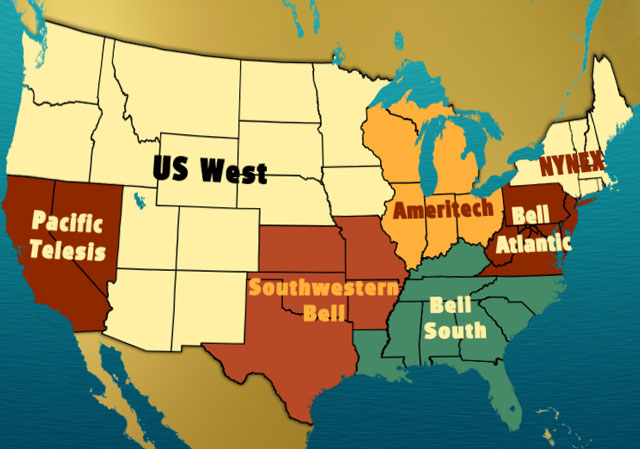
AT&T's “Research Unix” was cheaply licensed and spawned numerous relatives. R&D for the future of computing rapidly spread across corporations and campuses alike. Engineers and researchers were one and the same as they developed the first "high-level" programming languages.
By abstracting machine language into human-readable prose it became easier to harness the power of computers. Unix was revolutionary because it came with a complete copy of the code used to build it. Not only that, there was documentation detailing how its integral modules worked — and worked together.
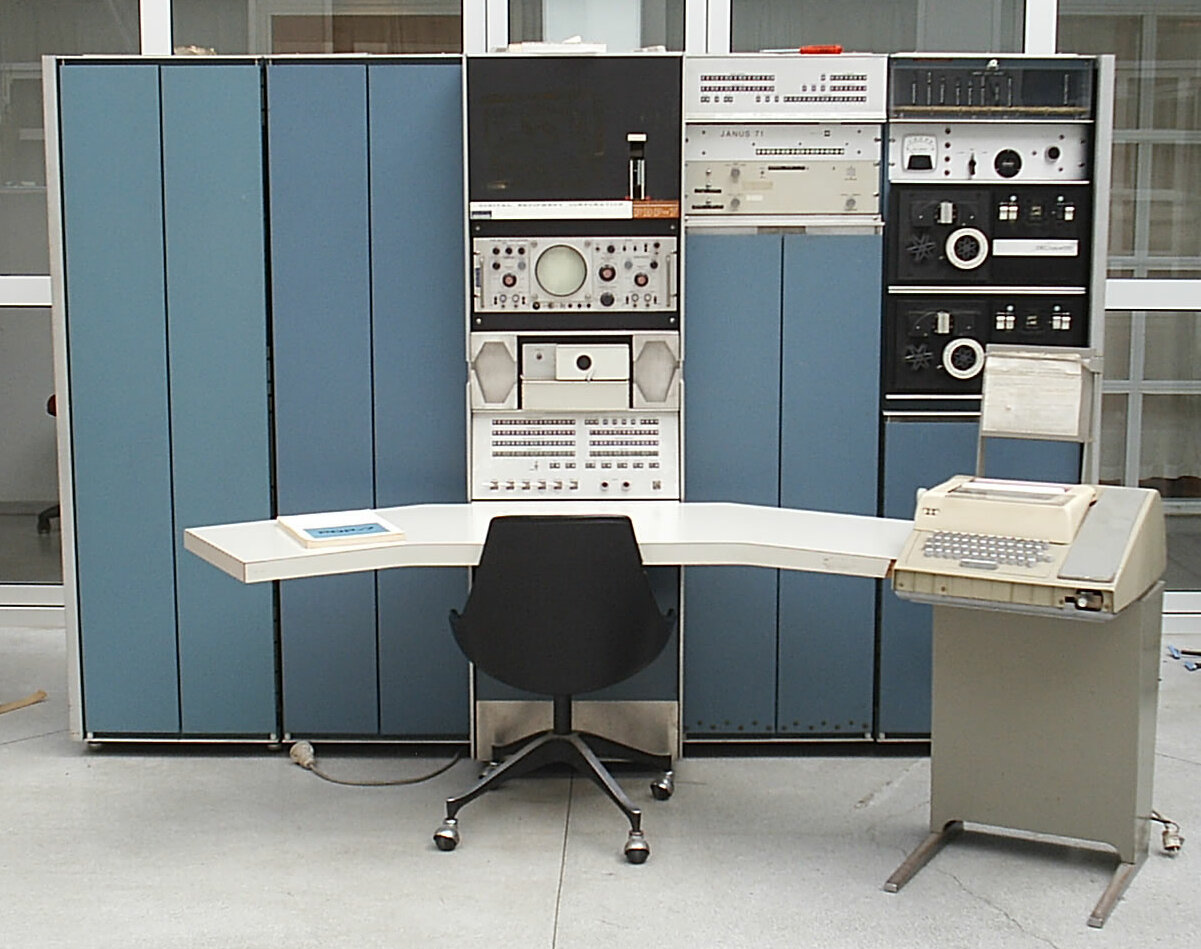
During the 1970s, a “computer hacker" culture centered around people who enjoyed a creative technical challenge. The “homebrew club” formed along the American west to bring together engineers, researchers and computer enthusiasts. It was commonplace to share code and learn from each other.
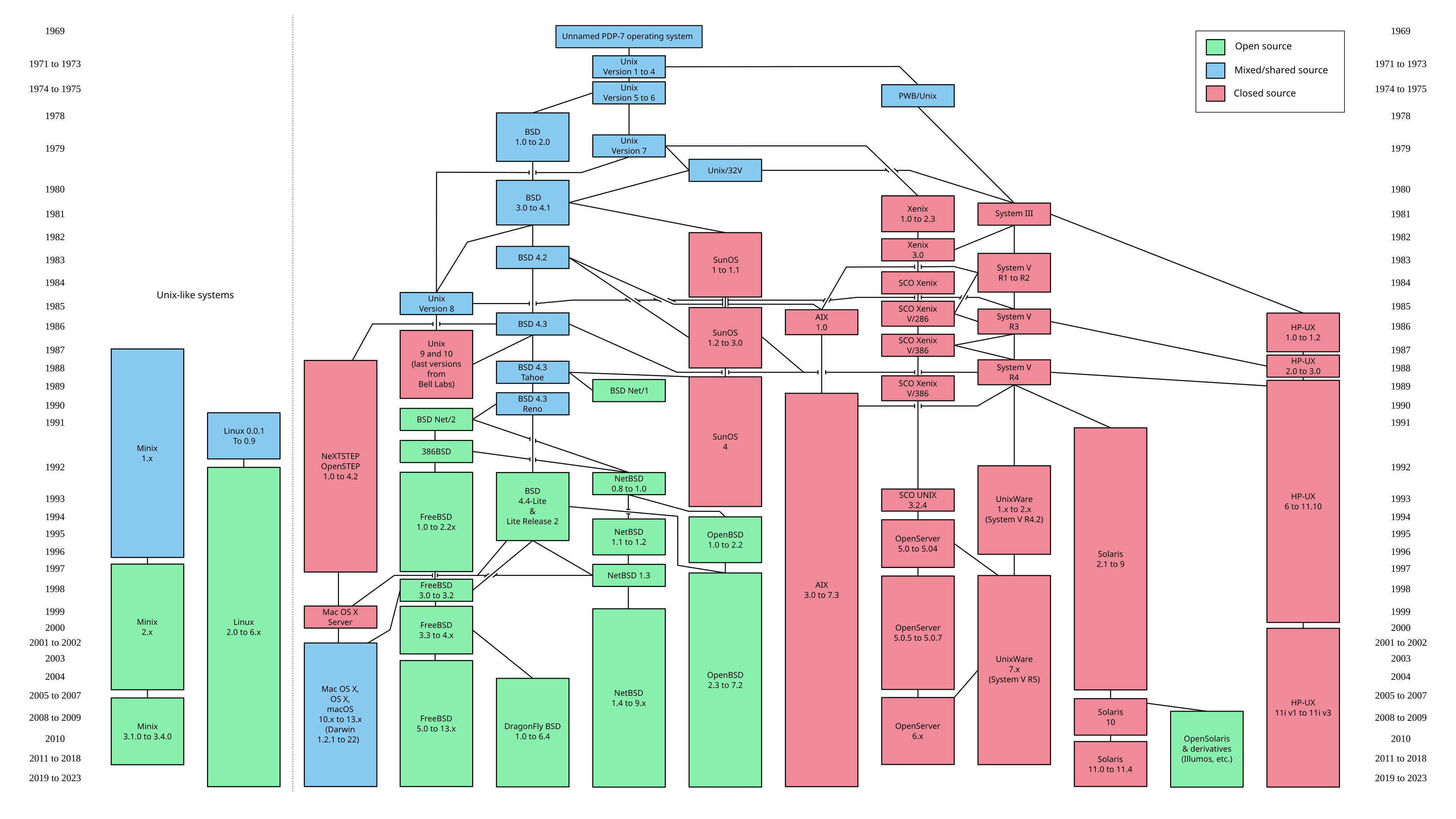
Open sharing fostered the proliferation of Unix operating systems. Some were short-lived experiments, but others still exist today as ghosts within our modern software. Standards created controlled chaos where manufacturers could market their proprietary hardware while playing nice with competitor components.
You may need to understand specifications when building a computer, but there's no need to know electrical engineering. Running software doesn’t (generally) require writing bespoke code. This is because standards strictly define technical systems and syntax across corporate and consumer hardware and software.
Software, like hardware before it, was consumerized through the 1980s. The US Copyright Act had caused a consequential shift in how software was created and proprietary code became more common to stop unauthorized use. Hardware was molded into “personal devices" while software was fashioned into “killer applications” that drew in buyers.
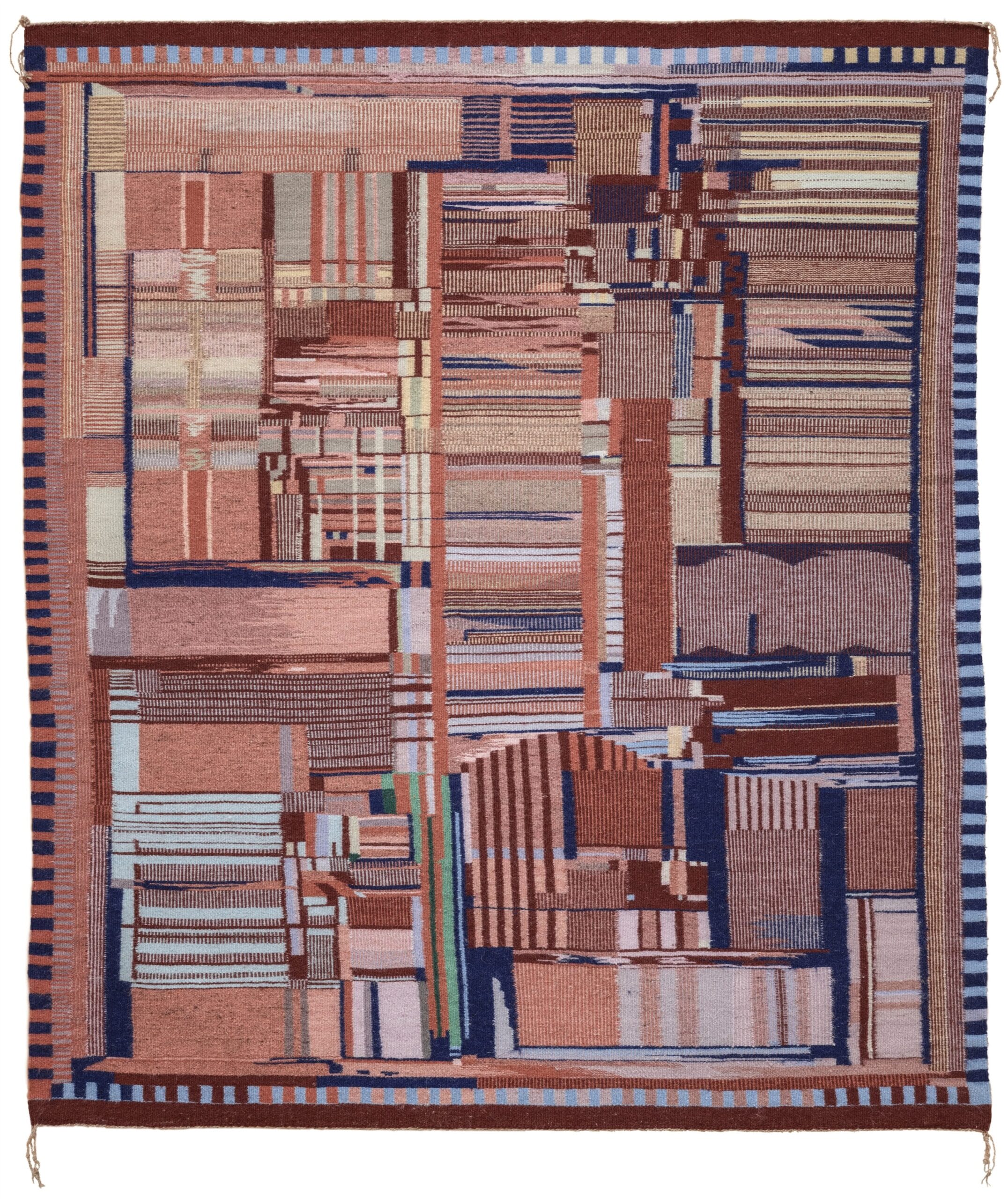
The Unix Wars worsened frictions as software became fragmented across opposing standards. Corporations preferred to create closed-source software that could be sold as a polished product. Meticuolous planning gets put into development cycles that are measured in years while fixes for annoying bugs may take months to manifest within new patches.
Proprietary
Community
Within corporations, consumer product development heavily favored a 'release late–release rarely' philosophy that carefully controlled intellectual property and feedback. Software compilers would take human-readable code and translate it into a 'binary file' containing the raw ones and zeros used for processing.
Source
#include<iostream>
int main(){
  std::cout
   <<"Hello, World!";
}
Binary
11000000 10010100
01011100 10100100
00110001 10001101
10010101 01000110
01001110 10000010
AT&T settled with the US Department of Justice, allowing them to sell Unix as a commercial product. Unable to create software usable across commodified computers, AT&T aimed to define a unifying standard through their new 'System V' Unix. The Unix Wars culminated in a legal battle between AT&T and the UC Berkeley about their "BSD" operating system.
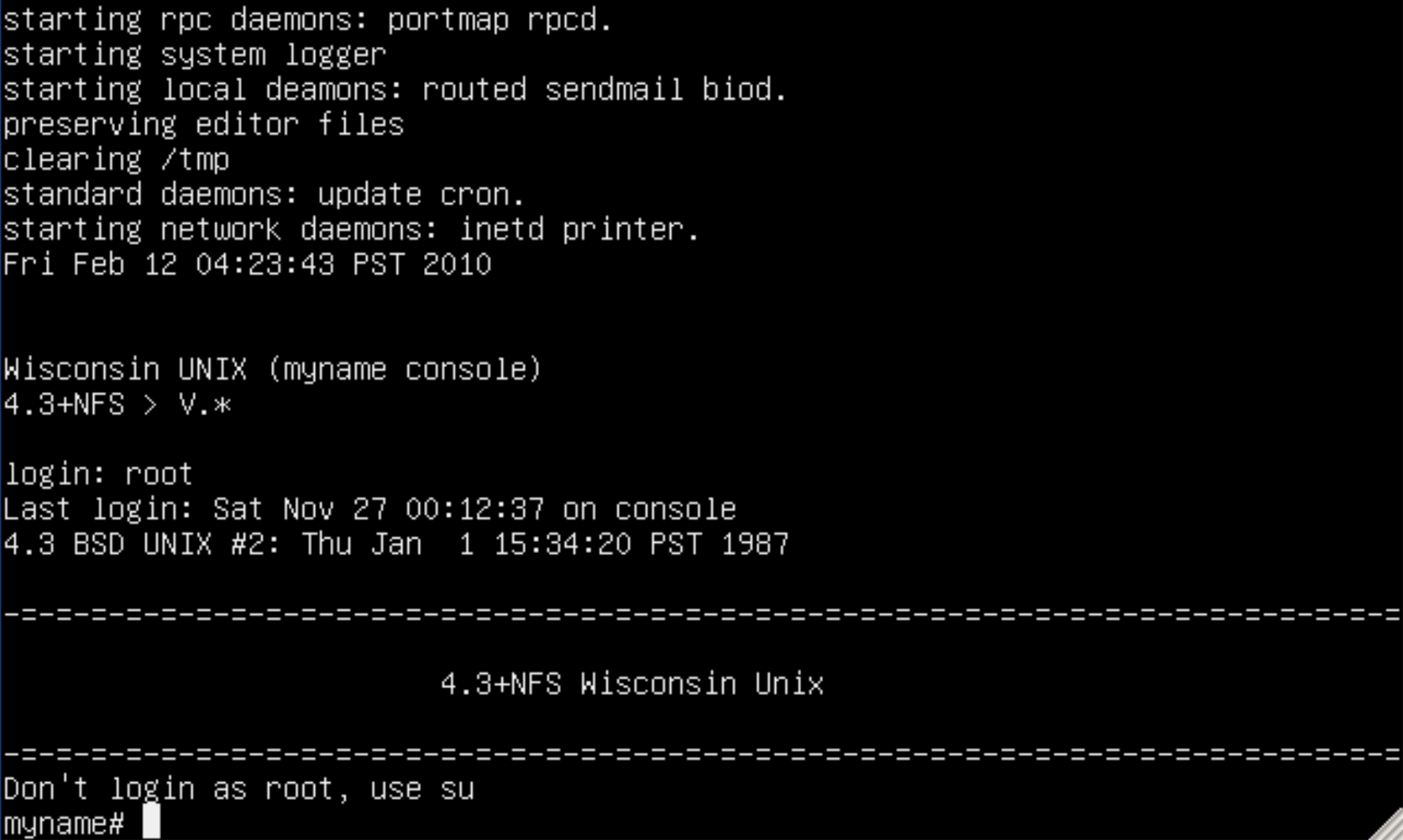
BSD started to improve the 'Research Unix' that Berkeley had been licensing until progressively they replaced all proprietary code with an open alternative. Berkeley used a 'clean-room method' to reverse engineer Unix without infringing on copyrighted material. At the time, the 'hobbyist' BSD was the largest competitor to AT&T's corporate System V.

Released under a permissive license, BSD didn't cost anything while also having few limitations on how it could be used. It even explicitly allowed use within closed-source software. Further, they provided absolutely no guarantee about its support while simultaneously removing them from all liability. By lowering the barrier to entry for software, BSD sparked an accidental movement.
‘Free software’ means software that respects users' freedom and community. Roughly, it means that the users have the freedom to run, copy, distribute, study, change and improve the software. Thus, ‘free software’ is a matter of liberty, not price. To understand the concept, you should think of ‘free’ as in ‘free speech,’ not as in ‘free beer.’
Unix was harder to use than corporate-focused counterparts sold by Microsoft. MS-DOS could be run on any computer that used a specific architecture while Unix was fragmented across numerous languages, standards and operating systems. Corporations focused on ease-of-use but software enthusiasts instead explored other options.
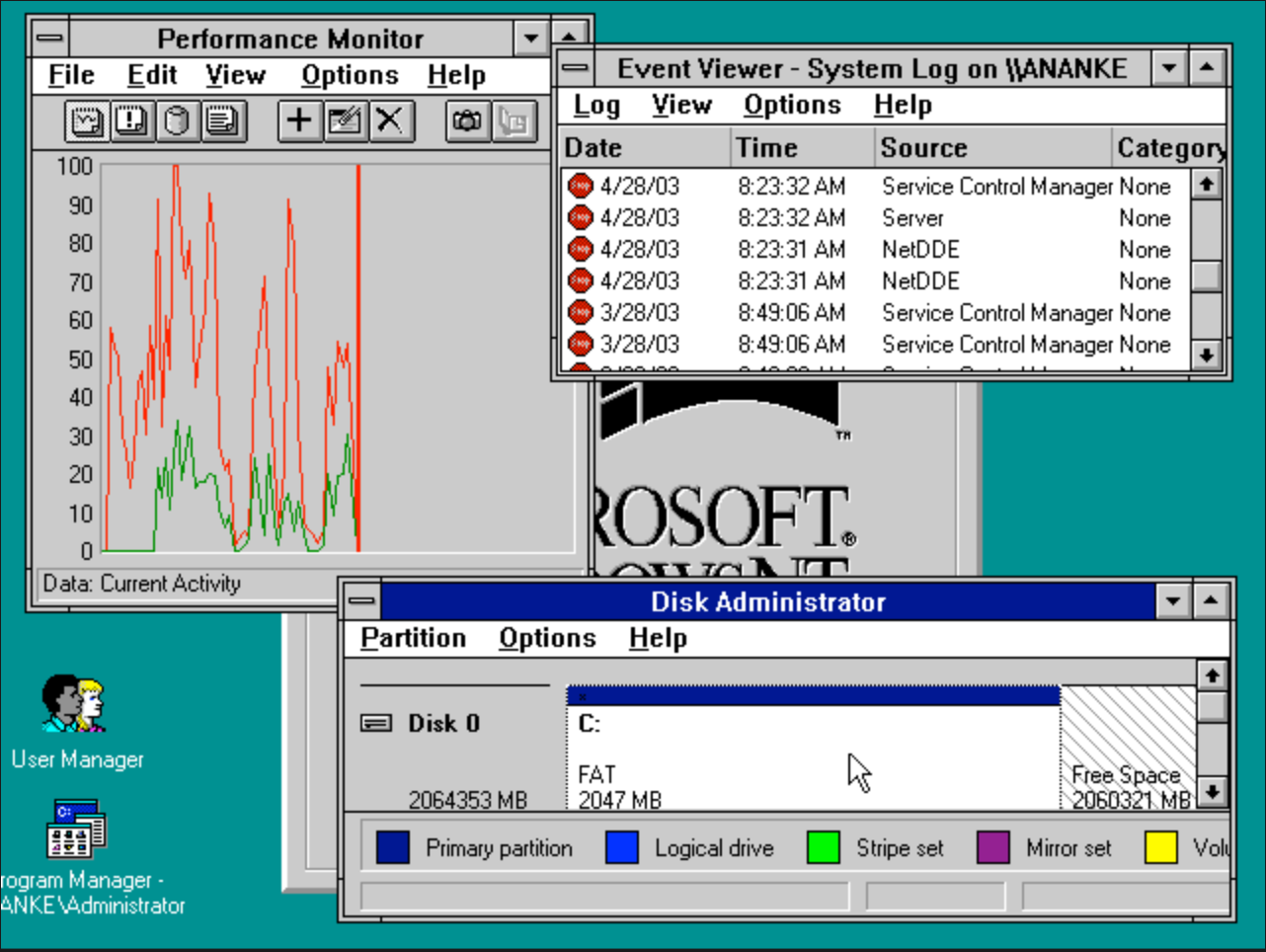
“System V” was released the same year as "GNU Project" which launched to advocate for freedom and control over personal computer systems. Based on Unix, this project was created from the ground up “without any software that is not free". The call-to-action within the GNU Manifesto penned the tenets for the “Free Software Movement”:
Freedom #1
run the program as you wish, for any purpose.
Freedom #2
study how the program works and change it so it does your computing as you wish.
Freedom #3
redistribute copies so you can help your neighbor.
Freedom #4
modify the source code in order to give the community a chance to benefit.
Fulfilling these freedoms required unrestricted access to the source code. “Decentralized” development emerged as a model that enabled everyone to contribute code over the internet through digital bulletin boards. GNU became an umbrella for all the projects necessary to build an operating system with each project generally working independently.
Centralized
Decentralized
This 'release early—release often' philosophy was in sharp contrast to proprietary software. Digital developers favored quickly sharing code so that it could be tested and integrated. GNU released its software under their new 'copyleft' license that leveraged copyright while requiring reciprocity. Unlike BSD created by Berkeley, GNU required all software using their projects be released under a similar license.
GNU neared completion but it was missing a single part: the kernel. This integral piece forms the foundation for controlling all hardware and software in a computer. Operating independently, Linus Torvalds coded the first version of the "Linux kernel" and released it under GNU's software license.
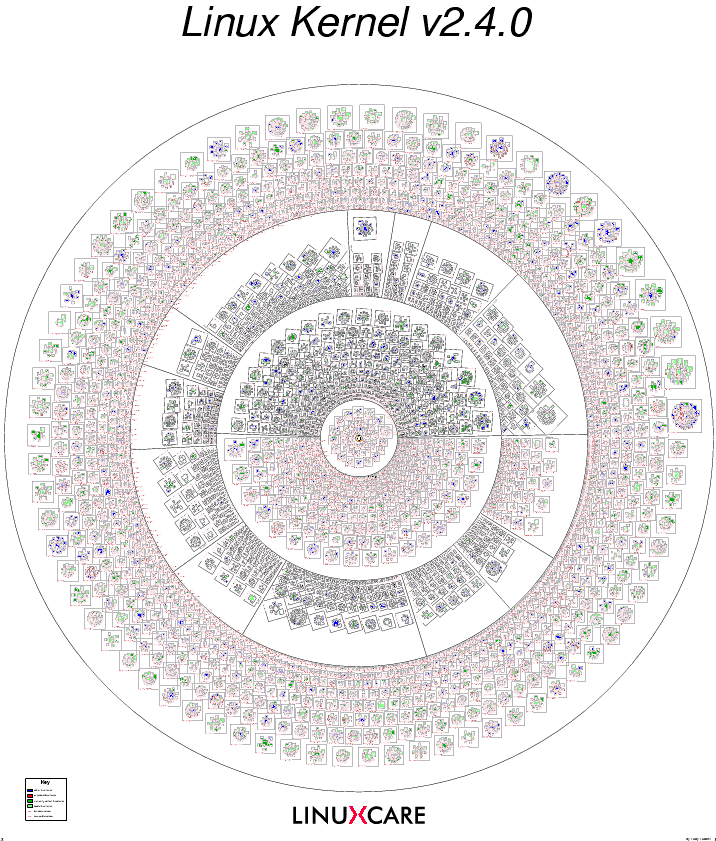
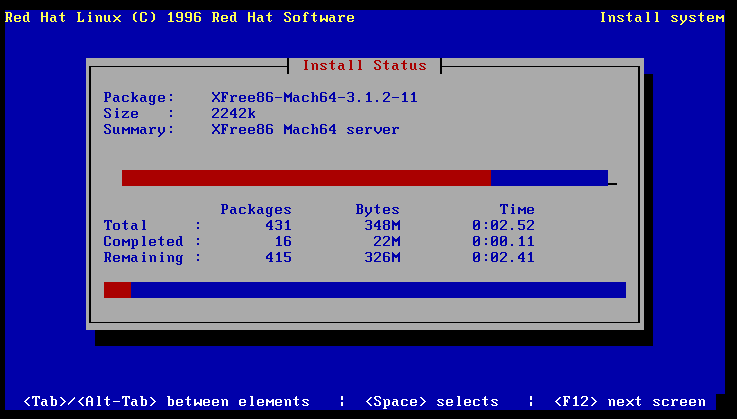
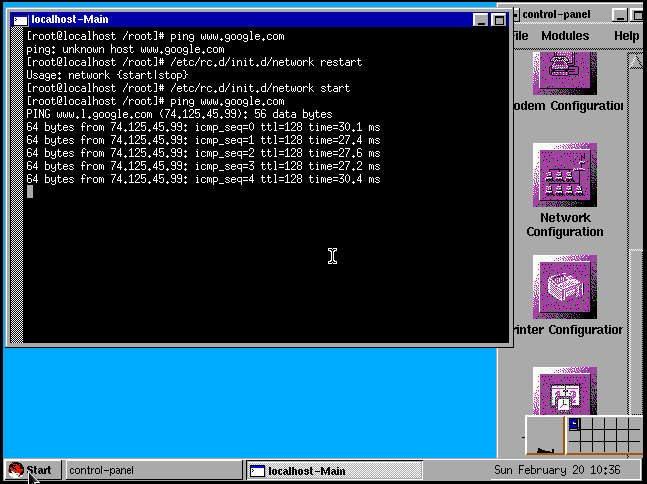
By 1992, a million computers were connected to the World Wide Web with subscribers exploding to over 25 million just two years later. GNU software was combined with the Linux kernel to create some of the first complete "GNU/Linux" operating systems. Roughly patched together with rudimentary interfaces, they were riddled with bugs and notoriously difficult to use... but they offered a glimmer of potential futures.
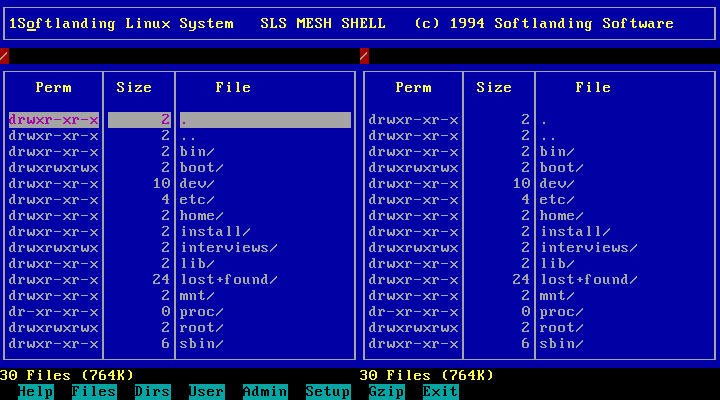
Slackware started to address problems with SLS and streamline the experience. Software became a matter of interpretation and Slackware placed its ultimate trust with individual developers. Despite starting as a hobby, it has since become the oldest maintained distribution of Linux. The project's reluctant “benevolent dictator for life” retains full control for future development of the software.
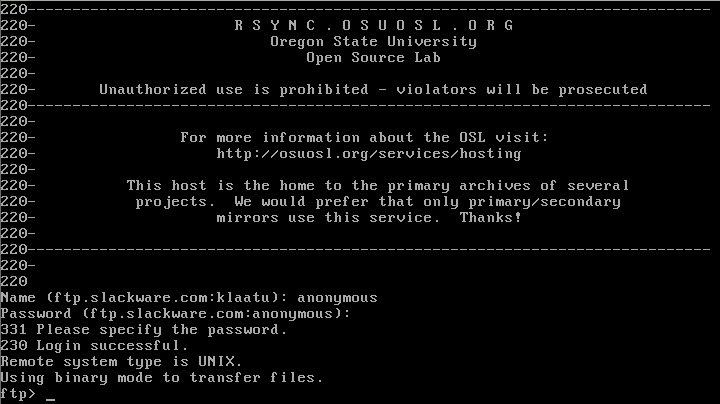
Creating operating systems had largely moved out of academia and into corporate spaces with software like Unix or Windows. In response, GNU/Linux became a global project with stakeholders from every industry imaginable. With the rise of decentralized development environments, academic researchers contributed to open-source projects. Growing out of the Hacker and Homebrew cultures, their pioneering ideals carried over into the Free and Open-Source Community.
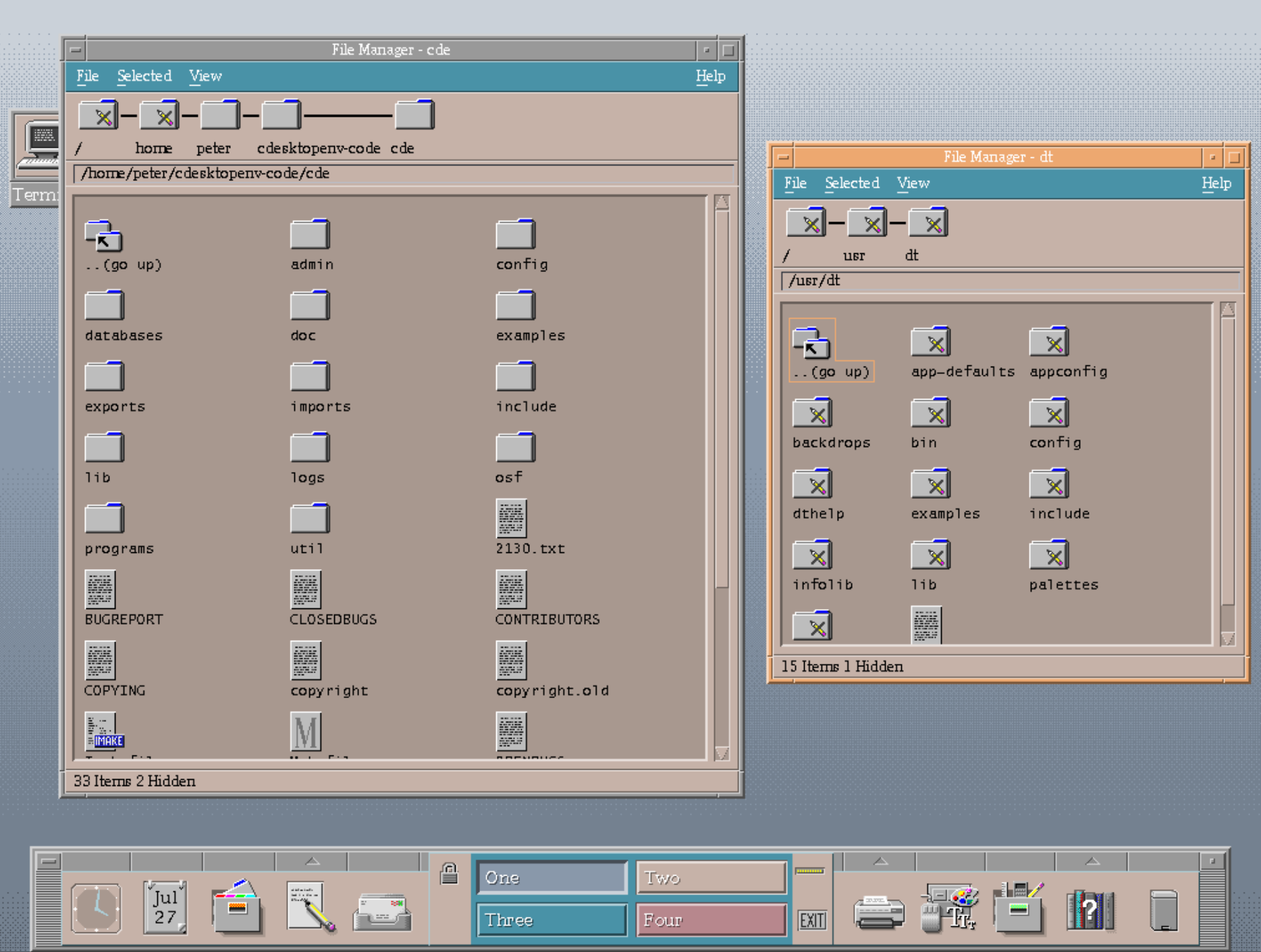
There is no singular “Linux” operating system. Instead, an interconnected constellation of smaller projects are pulled together to build one from the ground up. There are numerous programs that can fulfill the same need. Developers conglomerate software into a fully-fledged operating system "distribution".
Similarly frustrated with SLS, creating Debian was a conscious response to its flaws. It took a more humanist approach by centering a free operating system forever with long-term hardware support. Debian sought to make a social statement instead of simply fulfilling a technical means to an end. In contrast to the GNU project, Debian proactively provided access to important "non-free" software like drivers for hardware.
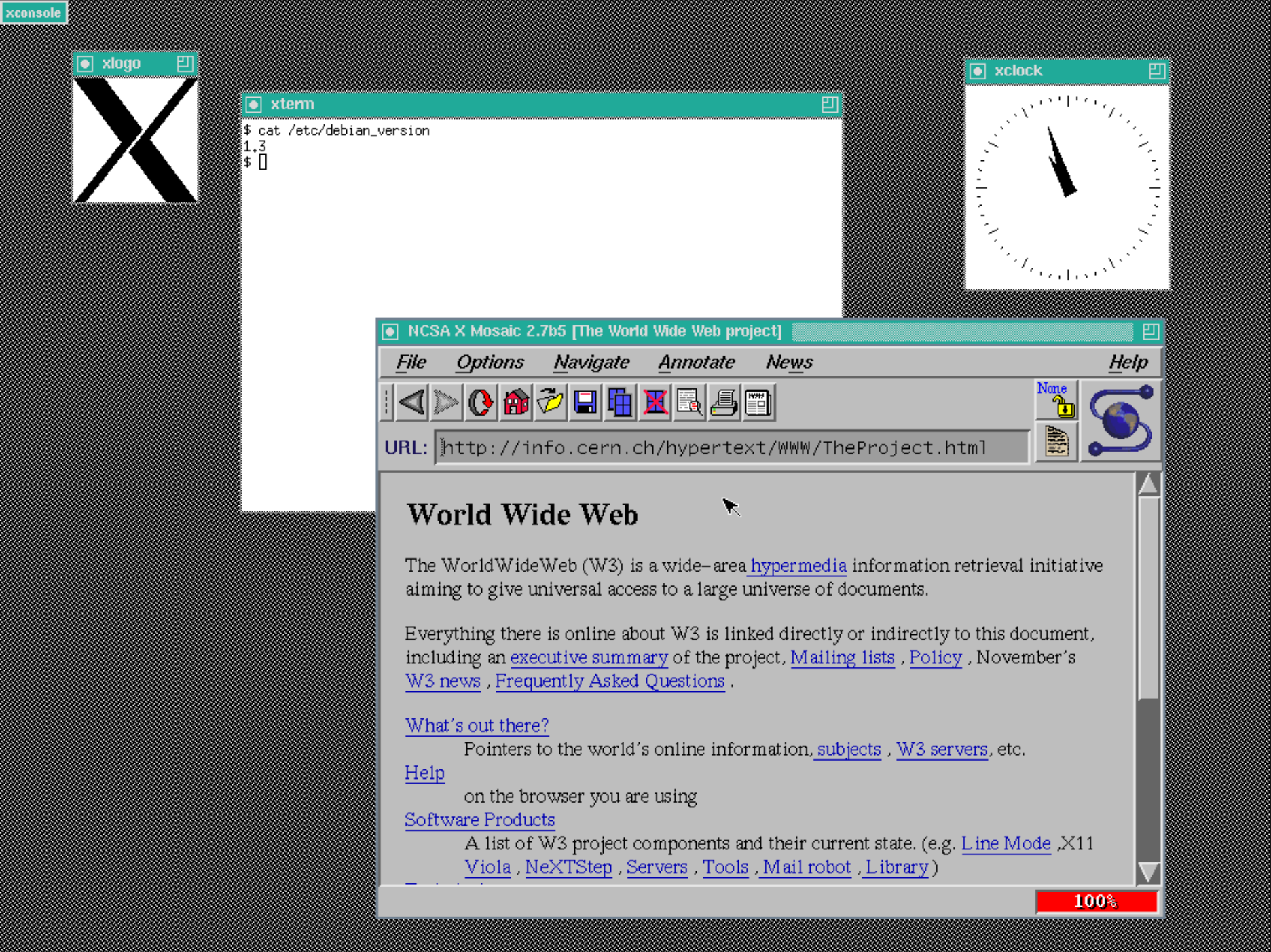
Debian wanted to remain open to relationships with commercial clients. Linux was modular in a way that enabled peoples to work together across varied philosophies and perspectives. Curating a foundation of community-focused licenses while explicitly opening the door to corporations, Debian bet that they could be propelled by mutualistic growth.
Debian is a non-profit run entirely by volunteers that operates over the internet. Concerned by the effects that paid corporate Linux distributions may have on their software, they created the Social Contract to ensure Debian remained open and free. Guided by an anually elected leader, operatings are goverend by three foundational documents:
Social Contract
This document outlines core principles of the project, as well as the expectations and requirements of developers who create on its behalf.
Free Software Guidelines
This document defines "free software" and sets the requirement for software that can be used to build the operating system. While similar to the GNU Manifesto, these guidelines specifically lay out avenues for a relationship with commercial "non-free" software.
Constitution
This document explores formal institutional power structures, laying out the responsibilities of the Debian project leader and other organizational roles.
A collective of software developers concluded that the Free Software Movement's social activism was unappealing to companies. Later known as the Open Source Initiative, they felt more emphasis was needed on the business potential of open-source software. Linux was quickly adopted as the flagship project of the newly forming “Open-Source Movement”.
The Open Source Initiative is a marketing program for free software. It's a pitch for "free software" on solid pragmatic grounds rather than ideological tub-thumping. The winning substance has not changed, the losing attitude and symbolism have.
Compared to the Free Software Movement, they took much less of a focus on issues like software freedom and instead highlighted the rapid innovation accomplished by sharing source code amongst corporations.