Academic Machines
“A lenticular logic is a covert racial logic, a logic for the post-Civil Rights era. [...] a logic of the fragment or the chunk, a way of seeing the world as discrete modules or nodes, a mode that suppresses relation and context.”
Engineering Community
Throughout the 1960s, computers gained traction across all industry spaces. They were powerful machines that could calculate complex numerical data like never before but they were restricted to a distinct geography. An organization's ability to offer access relied on their ability to lay infrastructure.
“The Internet is not a thing, a place, a single technology, or a mode of governance. It is an agreement.”
The modern Internet was the combined efforts of stakeholders ranging from universities to corporations and government agencies. In 1969, a joint project between the US Department of Defense and American university campuses created the first “wide-area network” that connected distant computers. Before the World Wide Web, ARPANET performed the first tests for an interconnected network of autonomous computers.

Computer networks consist of "nodes" that are seeking to communicate as well as the "links" between them. ARPANET was the first to test the standards that define the foundations we still use today. The TCP/IP protocol defines interconnected layers that operate independently but remain coordinated through a shared language.
In order to classify networks, scale is used as an integral perspective for simplifying complex systems. Networks lean on abstraction to enable engineers to comprehend the systems needed to operate at a global scale. These technologies create a stratified system that simplifies data shared in between these layers. This enabled networks of all sizes and types to operate across the same global infrastructure.
Data may need to travel vast distances to get from its origin to a final destination. Carrying data around the globe can include anything from vast underwater cable networks to satellite relays in orbit.
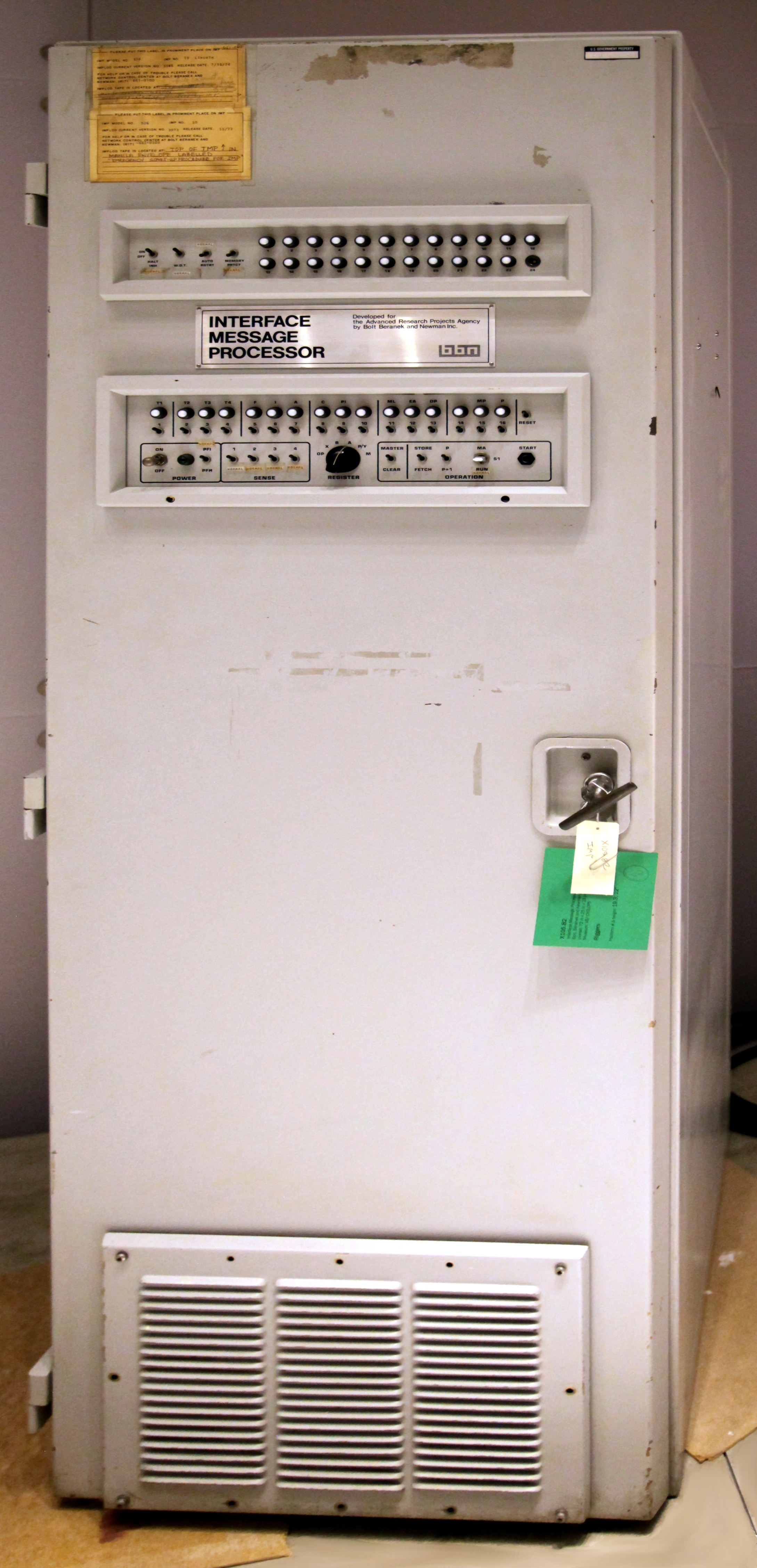
Before data is transmitted over a network, it is broken into small "packets". These bits are encrypted before being sent across the local network and the infrastructure laid by an Internet Service Provider. They relay data through a local hub and, possibly, a regional or central hub.
ISPs contract "middle-mile" and "long-haul" providers that specialize in transmitting data across a region. They channel data from outlying areas into metropolitan infrastructure where it can be sent around the globe. The Eastern US shares many undersea cable connections with Western Europe, just like the Western US connects to China and Japan.
Through the Border Gateway Protocol, data finds a route across a patchwork of independently-owned networks. This relies on the mutual agreement between ISPs to act as a neutral peer for other networks in order to ensure that data will always be passed along towards its destination.
From here, packets take the most direct route to their destination. Performing the same process in reverse, data transits through middle-mile and long-haul providers, before filtering through regional and local internet infrastructures. Finally, data enters the intended router before being delivered to its final destination. When the receiver sends a response back, it must repeat this entire process again.
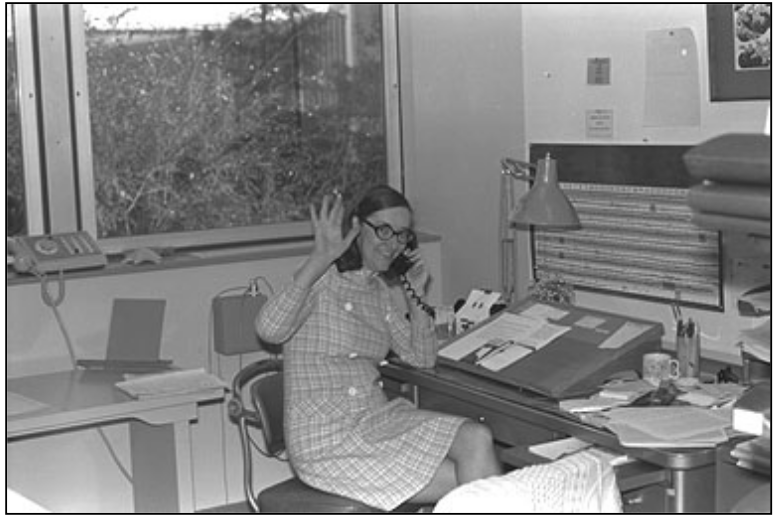
Alongside ARPANET, Elizabeth Fienler created the first reference directory for the emerging network. This centralized catalog facilitate navigation across this new virtual space. This served as the foundation for the modern systems still used to locate servers over the open internet.
By the mid-1970s, there were over fifty networked computers on ARPANET at universities bridging America and Europe. Facilitated by this growing network, the first “electronic mail” was sent using the now-familiar ‘@’ symbol to describe a location within this virtual space.
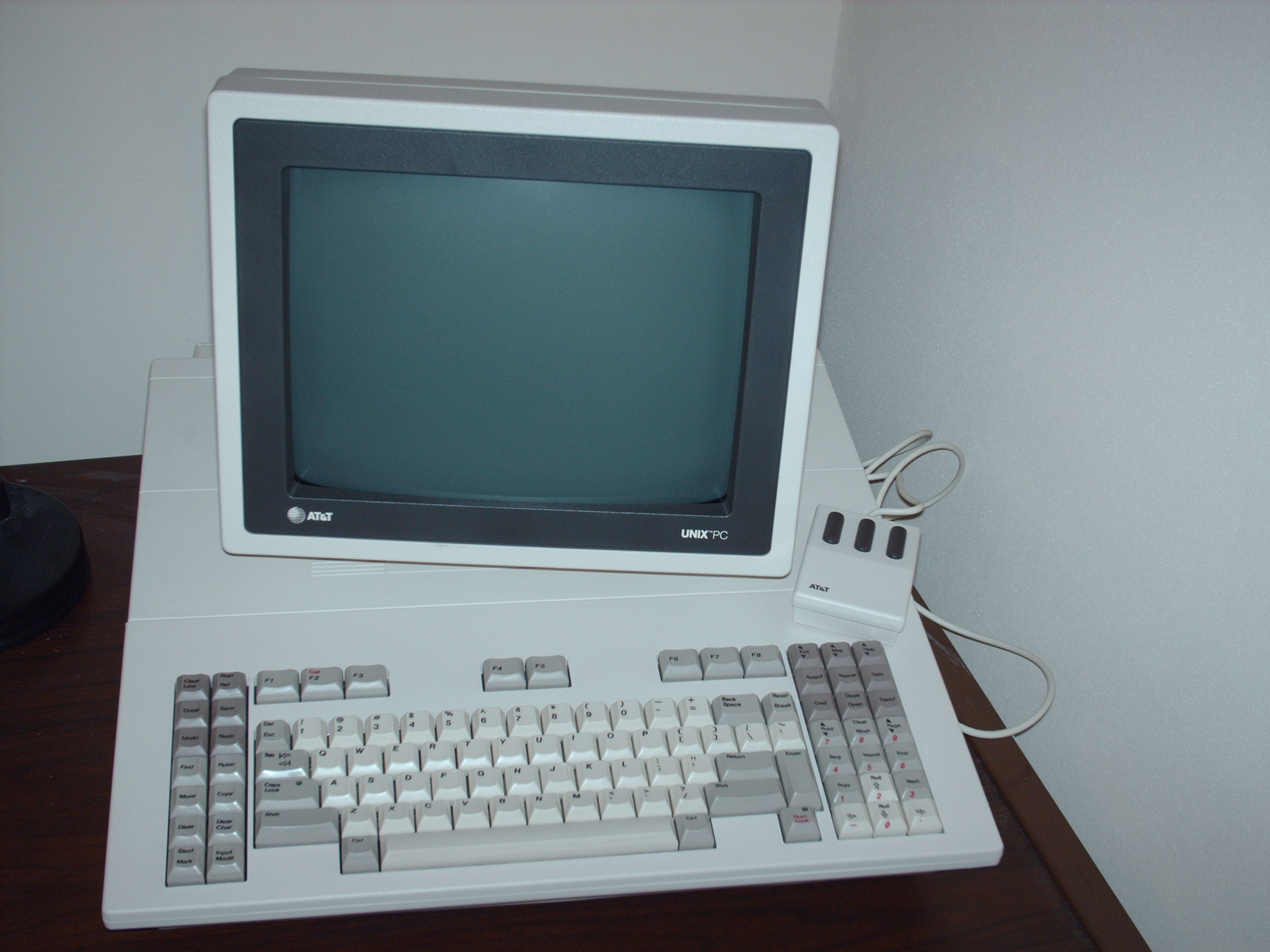
The “Protocol Wars” marked a protracted process that had been unfolding since the 1970s. Global academic partners were increasingly relying on "TCP/IP" including its primary developer, the US Department of Defense. Formalizing standards was intended to provide something to converge towards rather than attempting to define completely new competing systems.
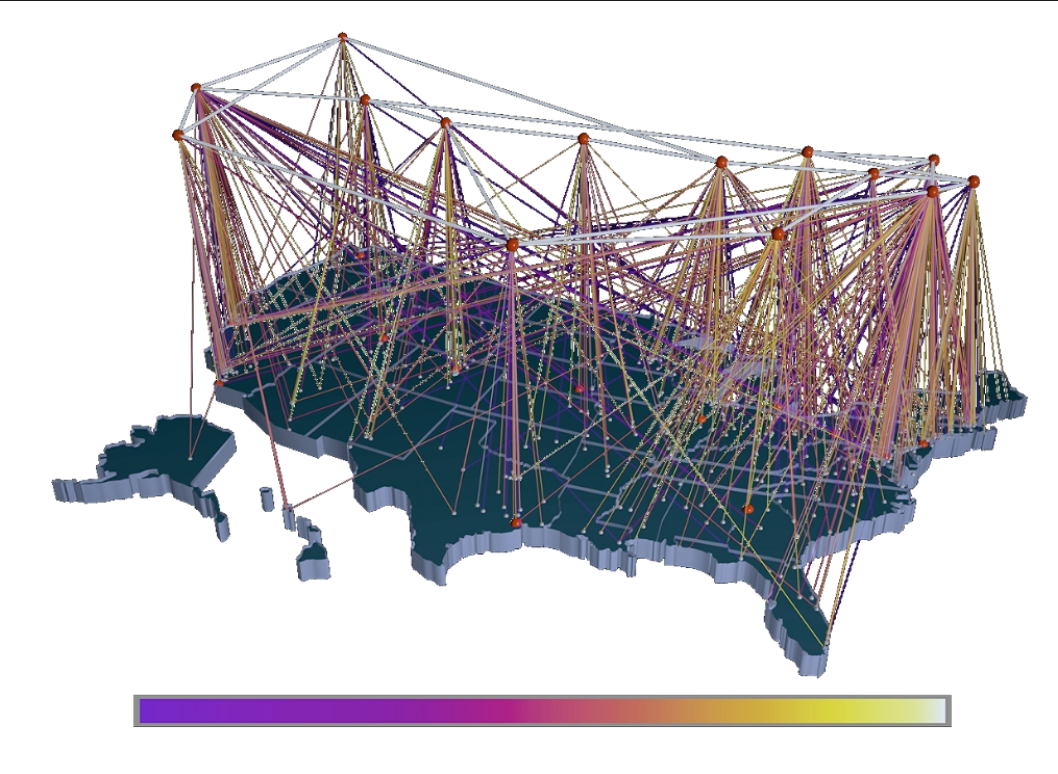
In 1989, it became the global standard for how computers communicate to form an "internetwork". The same year, the World Wide Web was invented to bring news, social, commercial and industrial aspects to the emerging internet. Today, these evolving standards still define our global infrastructure. The Internet has evolved into an institution that shares powers globally and is not owned by any singular organization.